
Healing From Burnout, Fatigue, and Chronic Stress: A Compassionate Guide to Recovery and Healing

NOTE:
My practice deals primarily with all kinds of stress: work stress, relational stress, physical and medical stress, traumatic stress, and others. Over the past year or so I have noticed a marked increase in the amount of cases of CHRONIC STRESS I have seen. Whether you know this as chronic stress, burnout, or HPA Axis dysfunction, it always results in basically the same symptoms, a toxic cocktail of anxiety, depression, reactivity, severe fatigue, sleep impairments, brain fog, memory issues, and an overall lack of motivation.
Some kinds of exhaustion go away after a weekend of rest. Other kinds follow you into Monday, sit beside you at dinner, and show up again at 3 a.m. when your mind refuses to slow down.
That deeper exhaustion can feel confusing. You may still be functioning. You may still be caring for others, going to work, answering messages, and keeping life moving. Inside, though, everything feels heavier than it used to. Burnout and long-term stress can affect the body, mood, sleep, memory, relationships, and sense of hope. On a side note, this kind of chronic stress is most common in high functioning and successful people that have attempted to take on more than is humanly possible! As humans, we have limited resources. Once those resources have been spent, taking on more responsibilities often result in what we often refer to as HPA Axis dysfunction.
This guide is informational and not a substitute for medical or mental health care. Still, it can help make the path forward feel less vague. Healing usually starts with recognizing what is happening, reducing pressure where possible, and rebuilding support one small step at a time.
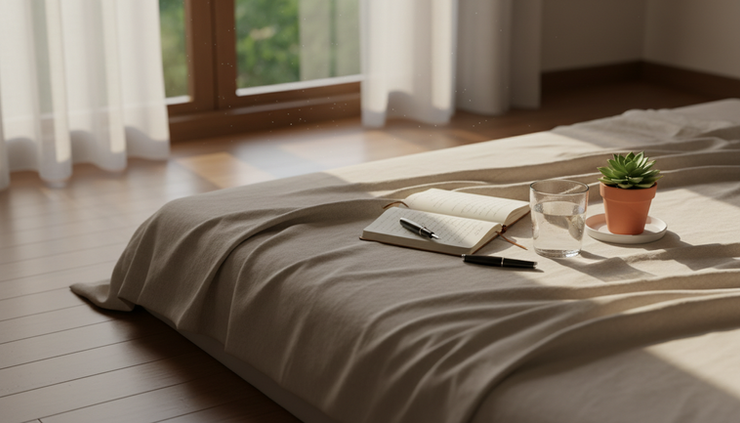
Burnout and chronic stress often show up slowly
Burnout does not always arrive as a dramatic collapse. Many people notice it in small changes first.
A patient once described it this way: “I could still do everything I had to do, but I felt like I was doing it from underwater.” They were sleeping, but not feeling rested. They were surrounded by people, but felt alone. They had no obvious crisis, yet daily life felt like too much.
That experience is common. The nervous system can handle short bursts of stress. It is built for that. Trouble starts when the body keeps getting the message that it must stay alert, perform, respond, and push through without enough recovery.
Signs can include:
Waking up tired even after enough hours in bed
Feeling emotionally flat, irritable, or tearful
Losing interest in tasks or people you used to enjoy
Trouble focusing or remembering simple things
Headaches, stomach issues, muscle tension, or frequent illness
Feeling cynical, resentful, or detached
Relying more on caffeine, alcohol, food, scrolling, or overworking to cope
Feeling guilty when resting
It can help to tell the difference between ordinary tiredness and a deeper stress response.
Ordinary tiredness often improves with rest, food, sleep, or a lighter day.
A busy season has an endpoint or a clear reason.
Motivation returns once energy comes back.
Chronic strain often lingers even after rest and may affect mood, sleep, health, and connection.
Prolonged stress can feel endless, vague, or hard to escape.
Drive may stay low even when you care deeply.
When chronic stress, anxiety, fatigue, insomnia, lethargy, motivation, depression all begin to overlap, it may be time to treat the situation as a health concern, not a personal failure.
Recovery starts by lowering the demand on your system
Many people try to heal from exhaustion by becoming better at managing exhaustion. They download a new app, start a strict routine, and feel worse when they cannot keep it up.
A gentler place to begin is this question:
What is asking too much of my body, mind, time, or heart right now?
The answer may not be something you can remove overnight. A caregiving role, demanding job, grief, financial strain, medical condition, or family conflict may not have a quick fix. Still, healing often begins with reducing even one layer of pressure.
Try looking at your life in three categories.
What can be paused, reduced, or eliminated
This might include optional commitments, extra errands, social plans that feel draining, or non-urgent projects. Pausing is not quitting. It is creating room for repair.
Examples:
Skipping a volunteer role for a month
Ordering groceries instead of shopping in person
Letting the house be “clean enough”
Asking to delay a non-urgent deadline
Taking a break from emotionally charged conversations
What can be shared
Stress grows when one person carries everything alone. Shared responsibility can reduce the feeling of being trapped.
This may sound like:
“Can you handle dinner twice this week?”
“I need help getting the kids to practice.”
“Can we talk for 20 minutes? I do not need fixing, just company.”
“I am not doing well, and I need more support than usual.”
What needs a boundary when healing burnout and chronic stress
Boundaries are often uncomfortable at first, especially for people who are used to being dependable. A boundary is not punishment. It is protection.
A clear boundary might be:
“I cannot answer messages after 8 p.m.”
“I am not available for that conversation today.”
“I can help for one hour, but I cannot take over the whole task.”
“I need Sunday afternoon to rest.”
Small boundaries count. They teach the nervous system that life is not only demand and response.

Self-care works best when it is simple and repeatable
Self-care is often sold as something decorative or expensive. Real self-care during recovery is much more basic. It is the steady care of a body that has been running on empty. Healing Burnout and chronic stress is not an instant fix but will take time, patience, and self compassion.
Think of it as rebuilding your foundation.
Protect sleep without trying to force it
Sleep problems are common when stress has been high for a long time. Trying hard to sleep can make the pressure worse.
Support sleep with small cues:
Keep a consistent wake-up time when possible
Dim lights during the last hour of the evening
Move stressful conversations away from bedtime
Keep the bed for sleep and rest, not problem-solving
Write down tomorrow’s worries before lying down
If sleep stays poor for several weeks, or you wake in panic often, professional support can help. Sleep is not a luxury. It is part of recovery.
Eat in ways that stabilize energy
Stress can disrupt appetite. Some people forget to eat. Others snack constantly because their body is searching for quick energy. Try not to judge either pattern.
A helpful goal is steadiness:
Eat something with protein in the morning if you can
Keep easy foods available, such as yogurt, eggs, soup, nuts, fruit, or frozen meals
Drink water before adding more caffeine
Notice whether alcohol worsens sleep or mood the next day
This does not need to be perfect. During recovery, “good enough” meals are still care.
Move gently instead of punishing your body
Hard workouts can help some people, but they can also feel overwhelming when your system is depleted. Gentle movement may be more supportive at first.
Try:
A 10-minute walk outside
Stretching on the floor
Slow yoga
Light gardening
Dancing to one song in the kitchen
The goal is not performance. The goal is to remind the body that it can move without being driven.
Make room for real pleasure
When life becomes survival mode, pleasure can feel pointless or undeserved. Yet small moments of enjoyment help the brain remember safety.
One person recovering from severe work stress started with five minutes on the porch each evening. No phone. No self-improvement goal. Just sitting outside and listening to the neighborhood. At first, it felt silly. After a few weeks, it became the only part of the day they looked forward to. That tiny ritual became a doorway back to themselves.
Pleasure does not have to be impressive. It can be music, sunlight, a familiar movie, a pet, a warm shower, or a call with someone who makes you laugh.
Mindfulness and relaxation can calm the stress response
Mindfulness does not mean emptying the mind. It means noticing what is happening without immediately fighting it. For a stressed nervous system, that can be powerful.
Start small. A long meditation may feel impossible when you are exhausted or anxious. A few steady breaths may be enough.
Try the 5-4-3-2-1 grounding practice
This is useful when thoughts race or the body feels activated.
Name:
5 things you can see
4 things you can feel
3 things you can hear
2 things you can smell
1 thing you can taste
This brings attention back to the present moment. It can remind the brain, “I am here. I am not in immediate danger.”
Use longer exhales
Slow breathing can signal safety to the body. Try inhaling for a count of four and exhaling for a count of six. Repeat for one or two minutes.
If counting feels stressful, try this instead:
Breathe in gently. Then breathe out as if you are fogging a mirror, slowly and softly.
Release tension one area at a time
Stress often lives in the jaw, shoulders, chest, belly, and hands. Take one minute to scan the body. Soften what you can.
You might say:
“Unclench my jaw.”
“Lower my shoulders.”
“Open my hands.”
“Let my belly breathe.”
Relaxation is a practice, not a test. If you only feel 5 percent calmer, that still matters.

Professional help can shorten the road back
Self-care matters, but it is not always enough. Sometimes burnout and chronic stress are tied to trauma, depression, anxiety disorders, medical issues, grief, unsafe relationships, or work environments that have become harmful.
Professional help can provide assessment, support, and a plan. Options may include:
A primary care visit to rule out medical causes of exhaustion
Therapy for stress, trauma, boundaries, grief, or anxiety
Medication evaluation when symptoms are severe or persistent
Support groups for caregivers, grief, addiction recovery, or chronic illness
Workplace accommodations or leave when available
Therapy can be especially helpful when the body feels stuck in survival mode. Some people benefit from approaches that focus on nervous system regulation, trauma processing, or changing patterns that keep them overextended.
Seek help sooner if you notice:
Panic attacks or frequent dread
Ongoing insomnia
Thoughts of self-harm or not wanting to be alive
Feeling unable to complete basic daily tasks
Increased substance use to get through the day
Depression that lasts most of the day, nearly every day
If there is any risk of self-harm or immediate danger, call 911 or go to the nearest emergency room. In the U.S., calling or texting 988 connects you with the Suicide and Crisis Lifeline.
Getting support is not an admission that you failed. It is a way to stop carrying pain alone.
Healing grows stronger in a supportive environment
Stress often tells people to isolate. It says, “Do not bother anyone,” or “You should be able to handle this.” Those thoughts can feel convincing, but isolation usually makes suffering louder.
Support does not require a large circle. One or two safe people can make a real difference.
Tell people what would actually help
Loved ones may care deeply and still not know what to do. Specific requests are easier to answer than general distress.
Try saying:
“Please check in on me Wednesday morning.”
“Can you sit with me while I make a few calls?”
“I need encouragement, not advice right now.”
“Can we take a walk together this weekend?”
“I am trying to rest more, so please remind me I do not have to earn it.”
Reduce contact with people who drain recovery
Some relationships make rest harder. A person may dismiss your stress, push your boundaries, or expect constant access to you. If possible, limit exposure while you heal.
This can be temporary. It can also be necessary.
Let connection be low effort
When you are depleted, even good relationships can feel like work. Choose connection that does not require a performance.
For example:
Watch a movie with someone
Sit outside together
Share a simple meal
Send a voice memo instead of a long text
Join a gentle class or group where conversation is optional
Supportive people do not need you to be cheerful. They make room for the truth.

A gentle recovery plan can start this week
When stress has been severe, a huge life overhaul may feel impossible. A small plan is more realistic.
Try this for the next seven days:
Choose one sign to track
Pick sleep, mood, headaches, irritability, or energy. Note it once a day without judging it.
Remove one nonessential demand
Cancel, postpone, delegate, or simplify one thing.
Add one daily recovery cue
Choose a short walk, five minutes of breathing, a real lunch, or a screen-free bedtime routine.
Tell one safe person the truth
Use one sentence if that is all you have: “I have been under too much stress, and I am trying to recover.”
Book one form of support if needed
That may be therapy, a medical appointment, a support group, or a conversation with a supervisor or family member.
If professional support feels like the right next step, you can learn more about available care through Hope Renewed Counseling and EMDR services.
Frequently asked questions
How long does it take to recover from burnout and chronic stress?
Recovery time varies drastically! Some people feel better after a few weeks of rest and support. Others need months, especially if the stress lasted a long time or was tied to trauma, illness, caregiving, or unsafe environments. Progress often comes in small shifts before it feels obvious.
Can I recover without quitting my job or changing my whole life?
Sometimes, yes. Boundaries, workload changes, therapy, better sleep, and support can help. If the environment stays harmful or unmanageable, bigger changes may be needed. Start by reducing what you can and getting help with the decisions that feel too large to make alone.
What if resting makes me feel guilty?
Guilt is common, especially for people who are used to being responsible for others. Try treating rest as a health practice rather than a reward. Your body needs recovery before it can keep giving.
When should I talk to a therapist?
Consider therapy when stress affects sleep, mood, relationships, work, or daily functioning. It is also wise to seek help if you feel stuck in fear, numbness, grief, shame, or constant overwhelm.
Are mindfulness practices enough to heal chronic stress?
Mindfulness can help calm the body, but it may not be enough by itself. Many people also need rest, boundaries, medical care, therapy, social support, and changes to the conditions that keep stress going. To heal completely, we must fix the things that brought us to this point, not just attempt to fix them by adding self care, meditation, or other techniques. The brain needs time and room to heal.
Recovery will likely be slow and that is perfectly okay
Healing from deep stress is rarely a straight line. There may be better days followed by hard ones. That does not mean you are back at the beginning. It means your body and mind are learning safety again. Relapses are normal and should be seen as a normal part of healing. Your brain has learned at the neural level to create and maintain anxiety and other symptoms. These neural pathways will need time to deconstruct and heal. Give yourself lots of grace and kindness.
Start with less pressure, not more. Notice the signs. Care for the basics. Practice calming skills in small doses. Let safe people in. Reach for professional support when the load is too heavy.
You do not have to become a completely different person to recover. You can begin by listening to the person you already are, especially the part that has been asking for rest.
ABOVE ALL, THIS IS A TIME TO BE VERY KIND AND PATIENT WITH YOURSELF! GIVE YOURSELF TIME AND PERMISSION TO HEAL. IT TOOK TIME TO GET TO THIS POINT, AND IT WILL TAKE TIME FOR YOUR BRAIN TO HEAL. SEE THIS PROCESS AS A NORMAL PART OF HEALING, AND HAVE FAITH. YOUR BRAIN CAN, AND WILL HEAL.


Comments